The Gift of Stories

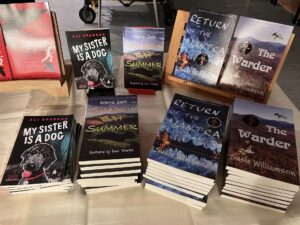
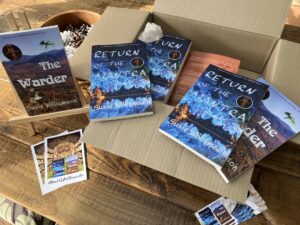
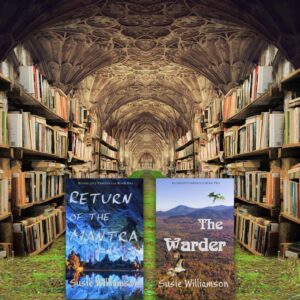
Stopping by to wish everyone Seasons Greetings & Happy Holidays, and to offer a huge thanks to all of my readers of Blood Gift Chronicles, for your continued support and enjoyment of my beloved characters in Return of the Mantra, and The Warder.
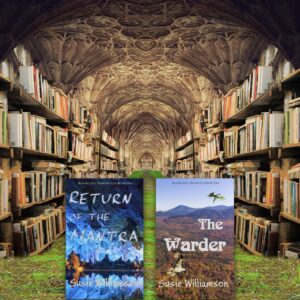
And as Xmas approaches, along with seasonal traditions of jolabokaflod, as a writer and an avid reader I am once again reminded that stories are a gift.
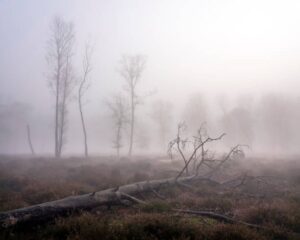
To that end, I offer a short story of mine, entitled Moorbrooke; a ghost story set on the misty moors for those who enjoy an atmospheric haunting. Moorbrooke was recently published in audio, by The Other Stories. To listen to the audio version, click here.

Moorbrooke

By Susie Williamson

Deep in the heart of Dartmoor, John is a guilty man. As the mist closes in, he wonders, will he escape retribution?

***

John stared at his reflection in the hallway mirror. Cool grey eyes looked back. He hadn’t meant to kill her, he told himself with an affirming nod.

            There was an expected knock at the door. The estate agent was on time. John would be glad to sell Moorbrooke and get back to civilisation. He brushed a hand back through his hair, straightened his collar, fixed a smile on his face, and opened the door. There was no one there.

            ‘Hello,’ John called. No answer.

            He stepped outside and called again, wondering how the mist had rolled in without him noticing. There was still no answer and no sign of a car in the yard. He rubbed his arms, feeling the October chill, and paused, seeing a card blowing across the ground, landing at his feet. He bent down and picked it up, gritting his teeth at the sight of the tarot card’s picture of Justice. He looked out across the yard, towards moorland part-hidden in the misty haze. A lone, hooded figure stood beyond the gate. It was Hannah’s witch-friend, Sue. He clenched his fist, screwing the card up in his hand, then turned and headed back into the cottage.

            The lounge door was ajar. John was sure he had closed it. He paused, confused by the sight of green-swirled threadbare carpet showing through the open doorway. He stepped towards it and placed a hand on the door. When he pushed it open, everything was as it should be: polished wood flooring with a cream woollen rug by the fireplace. He stopped to gather himself. He was just imagining things. He went in and opened the door of the wood burner, placed a log on the dying fire, and watched with satisfaction as the flames took hold. He dropped the screwed-up tarot card into the fire, closed the door, then went to the window. Sue was still there, watching the cottage, her face framed by the furry parka hood. John looked back, until her outline disappeared as mist turned to fog. He sighed at the thought that the roads would be impassable. A remote life on Dartmoor had been his idea, and he’d enjoyed it while it lasted, but the moor’s temperamental weather was something he wouldn’t be sad to leave behind.

            He went into the kitchen to make a start on dinner, glad he’d done a week’s shop only the day before. While browning chicken, he diced an onion, so strong it made his eyes smart. He wiped the tears blurring his eyes, picked up a carrot and started to chop. Feeling a sudden chill at his back, his concentration faltered. The knife slipped, cutting into his finger. He winced, pausing at the sight of pooling blood, then went to the sink to wash his hand. Once a plaster was firmly in place, he turned and paused mid-stride. The tarot card, with edges still smouldering, lay on the chopping board. His heart was racing as he picked up the card and headed back to the lounge. Passing the hallway, he saw the front door was open ajar. He went to it and stood leaning out of the doorway.

            ‘Stay away from my house, you fucking witch!’ he yelled into the fog.

            He slammed the door and locked it, then went into the lounge, placed another log on the fire, and watched the tarot card burn.

            Once dinner was cooking in the oven, John returned to the lounge and settled down in the armchair, answering a call from the estate agent who confirmed they would try to visit the next day. The call ended and John paused, eyes fixed on the painting on the wall: an autumnal Dartmoor landscape painted by his dead girlfriend, Hannah. He slowly stood and cracked his knuckles. With teeth clenched, he went to the painting and lifted it down from the wall. He hadn’t allowed Hannah’s trash in the house when she was alive, he sure as hell wouldn’t have them on the wall now that she was dead. But just how was that bitch, Sue, doing this.

            In the hallway he put on his coat and headed out to the back of the house, one arm clutching the painting, one arm held out in front as he struggled to see in the thick fog. Inching his way to the garage, he reached the old wooden door, fiddled with the key in the lock until the rusty padlock gave way. He pulled the door open, clicked on the drawstring light that bathed the room in a sickly yellow glow. Hannah’s paintings were stacked beneath a clear plastic sheet that offered little protection from encroaching damp: various moorland scenes and nearby towns with moody tones of blue, grey and brown. John dropped the painting on top of the pile, and glanced across at Hannah’s old workbench. It might be cold and damp but it was a place of her own to work: she always had been ungrateful. He was about to leave but reconsidered, stopping to tuck the painting under the sheeting along with the rest.

            Back inside, he ate dinner, sucking the chicken bones clean, then settled in the armchair sipping Jack Daniels, staring at the empty picture hook where Hannah’s painting had been. Why couldn’t he remember what had been hanging there? He didn’t remember feeling sleepy or seeing the sky outside turn dark. The next thing he knew, he was waking up in the chair with morning sun shining in at the window. He stretched his stiff arms, rubbed the back of his neck, and slowly stood. After a morning pot of tea, he opened the front door, surprised by how warm it was and relieved to see no sign of any mist. The estate agent would surely make it out today, but first, a walk and some fresh air.

            John headed out across the yard, through the gate, and over moorland, towards nearby Rowtor, nestled among the red/golden glow of turning leaves and fading ferns. The distant sound of chattering, chirping, flocking birds approached, bringing the sky to life. He gazed up at the pink tinged sky, blossoming with rosy hues, surprised to see the starling murmuration so early in the day. Mesmerised by the kaleidoscope of flowing, shifting, mushrooming waves, a perfect balance of unity, in comparison, he felt strangely disconnected. It was a thought that stayed with him as he trekked up to the Tor, wondering at the distance between body and mind. Reaching the granite top, he lay a hand on the cold stone, but felt the ground shift beneath his feet. He stepped back, and watched something push up through the grass: it was a bone, perhaps a humerus or femur, that came to rest at his feet. The ground stirred all around, and John knew where to look. He had chopped up Hannah’s body as easily as he would dice a chicken, and discarded her bones in shallow graves across the moor; a suitable meal for passing scavengers.

            John was awoken by a sudden thump. He sat up with a start, and stared at the window to see a dead starling slumped against the pane. He rubbed his eyes, feeling his skin doused in a cold sweat, and checked the time on his phone. It was morning. It was still foggy. It had been just a nightmare. He slid the phone into his back pocket, rose stiffly from the chair, and went to make tea. He opened the kitchen door and froze, seeing the room appear as it had when they had first moved in several years ago: a vintage wood effect laminate surface set against orange and green flowered retro tiles straight out of the 70s, and in the corner, an old rumbling boiler making an intermittent dull clunk. Thud. He turned briefly, anticipating another starling hitting the window. When he looked back, the kitchen had returned to its usual natural ivory. John inhaled a long slow breath and walked towards the kettle, where a tarot card lay in wait, pictured with The Hanged Man.

            John stared at the card, wiping a hand across his mouth, then opened the junk drawer, slid the card in, and slammed the drawer shut.

            ‘You’re dead,’ he said out loud. He turned around and said it louder: ‘Do you hear me, Hannah. You’re dead.’ He pointed to his chest. ‘I killed you.’ He waited, hearing only silence, and let out a nervous laugh. ‘As soon as the estate agent gets here, this house will be on the market.’ He laughed again, then quietly added, ‘Talking to yourself. Now you’re the mad bastard.’

            He poured a cup of tea, staring at the light rippling on the surface as he stirred, one hand resting on the counter that turned grainy to the touch. He lifted his hand away from what looked like granite stone. Before his eyes, grey stone transformed back into the kitchen surface, while granite dust still lingered on his fingers. He balanced two digestive biscuits on the saucer, and carried the tea into the lounge. At the door one biscuit fell to the ground. He stopped and bent down, seeing the biscuit lying in grass at his feet. Slowly, he picked it up and returned it to the saucer, while a familiar sound, faint at first but growing louder, rang through the cottage: the chattering and chirping of a starling murmuration. He was walking through moorland grass, surrounded by calling birds, and he was in his lounge with the usual furniture, and ivory painted walls… Except Hannah’s painting was back on the picture hook.

            Should he run and take his chances in the fog? Thud. Another dead starling hit the window, leaving a crack in the pane. John placed the teacup down on the table, and walked slowly towards the painting. This time he would burn it. He reached up, taking hold of the frame with both hands, and felt a sudden force pull on his arms. He tried to pull back, tried to let go, but his hands were stuck fast. The textured oil-painted surface pressed into his skin, sinking into his flesh. John pressed his head forward, feeling the urge to swallow as nausea surged. When it subsided, he was standing bent over with his hands on his knees, breathing fresh moorland air with grass beneath his feet. He slowly stood, feeling his hands tacky as he prised them from his knees. He held his hands in front, inspected the palms, seeing his fingertips marked with dried oil paint.

            He staggered over to the nearby rocks of Rowtor, and collapsed down against the cool granite. Distracted by vibrating in his back pocket, he reached in and took out his phone. A card fell out at the same time, and dropped onto the stony ground, picture up of The Hanged man. John stared at the phone, seeing Hannah’s name flash across the screen. He raised a finger to the screen, wavering, before he pressed to answer the video call. It was Hannah’s face looking back at him. She didn’t speak, just held a solemn expression, her eyes gently narrowed as though curiously inspecting him. Then she held the phone away, holding it out, moving it around the cottage so that John could see. Outside the window, the fog was slowly lifting, the log fire burning, the kettle was boiling, and Hannah’s Dartmoor landscape was hanging on the wall. She closed the phone in on the painting. John got a close up view of the rocks of Rowtor, and of a lone man, himself, standing beside the granite outcrops, looking out over moorland with a red/golden glow of turning leaves and fading ferns. A rosy pink sky topped the scene, dotted with a starling murmuration. And as the sound of chattering, chirping, flocking birds grew near, John looked skywards, lost in the feathered kaleidoscope.

THE END
For the Love of Books #28

The last day of November, and we wake to a fine drizzle of snow. I imagine it will be fleeting, but it’s cold, and the perfect time to cosy up with a good read. I have two titles, inspired by the atmosphere that snow, mist, winter weather can bring. I’m not thinking jolly season’s greetings, more like the bleak atmosphere of separation, and unease. I’m late for Halloween, but the first title brings a malevolent spirit into a snowy scape…

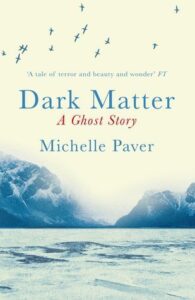
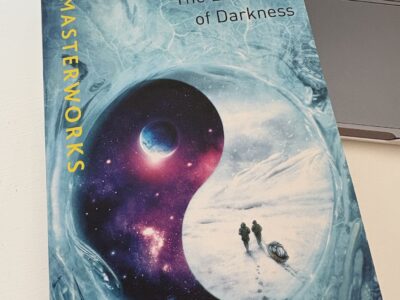
Dark Matter: A Ghost Story; by Michelle Paver

Jack Miller never intended to join the Arctic mission, but despite himself he heads to the islands halfway between Norway and the Pole. The expedition team are to study Arctic Biology and ice dynamics, and carry out a meteorological survey. It’s a mission meant to last a year, but the Arctic wilderness has a dark history. Stories told from the time when the Arctic islands became part of Norway in 1925, tell of lethal accidents and marauding bears, men going mad from the dark and loneliness, shooting themselves, walking off cliffs for no reason. One expedition group in the early days refused to leave their cabin, out of terror of the deadness beyond, a terror reportedly not rooted in some phobic disorder. Now, the terrifying events in Gruhuken are about to be relived, and recorded in Jack’s diary, beginning 7th January 1937.

A malevolent spirit walks this icy wilderness, and the bleak surrounds provide a perfect backdrop. It’s easy to feel like prey in the face of polar bears with dirty brown pelts stained by blood and blubber, but not so easy to shake the feeling of being hunted. Dining on reindeer and an eclectic mix of tinned food, offers little comfort, and after a series of events, Jack finds himself alone except for the huskies. The rising feel of impending doom is well drawn, subtle and engaging in a foreboding environment, and Jack is soon left to consider whether writing will exorcise his demons, or whether speaking about it will just invoke them?  Either way, the spirit wants Gruhuken, and Jack Miller is standing in its way.

Central to the story is the question: Is it the dark people fear, or what lurks in it? It’s a question which drives the narrative, bringing an intriguing balance of unsettling apprehension, fated unease, and a lingering dread, teasing, tangible, yet never quite in reach.

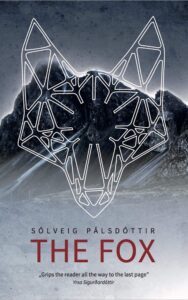
The Fox; by Solveig Palsdottir

What do you do when your arrival means the world, when your presence is so symbolic, you simply must not leave?

Guogeir Fransson, hoping to put professional tragedy and personal turmoil behind him, leaves the Reykjavik police force for a dead end job in a small town in eastern Iceland. His detective instincts are triggered when a foreign woman arrives into this tight-knit community, and suddenly disappears soon after. The trail takes him to a remote farmhouse where an elderly woman and her son live with a sinister past.

Sajee, from Sri Lanka, arrives in Hofn to take up work in her aunt’s beauty salon. But it seems the job does not exist. Help from a friendly stranger takes her to the farm of Selma and her son, Isak. They offer board, lodgings and the promise of pay for cleaning and help around the place. It seems like a practical solution to Sajee’s problem, but it is an offer wrapped in mystery. Sajee’s vulnerability is clear. From Sri Lanka’s chaotic district of Colombo, growing up she was left alone with a violent father, finding sanctuary at the local beauty shop among cheerful women, until the shop was forced to close. Postcards from her aunt, who had travelled to Iceland before her, were the hope she had clung to. Now she was alone and illiterate in a strange land. And Selma’s eyes were watching, too closely. What familiarity did she see in the young woman that drew her so tightly? Was it Sajee’s cleft lip that she discretely attempted to conceal? Was it illusion?

The characters were well-drawn and entirely believable. The backdrop to the story is cloaked in mystery and folklore that I found completely compelling. The dead are in the family plot, but the hidden people, tall, dignified, with unlimited senses and a higher consciousness dwell in mountain cliffs. They help people in trouble, spirit problems away, but when wronged, revenge is bitter. Victims have been known to go up in a puff of smoke, or be driven mad. The farm skirts a harbour town where shipwrecks mean people are forced to watch husbands and brothers drown, a place of depression and alcoholism, where people go off the rails. As the layers of mystery unfold, I was absorbed by the world and the unexpected, unfurling of sinister events. A read made more chilling by its relatability, as we are taken down the path of unwittingly losing power; how our own insecurities can trap us, how trust can be fatal.

What are you reading?


Artistic Inspiration

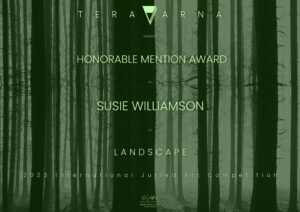
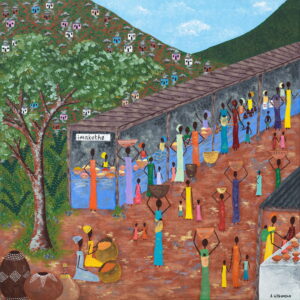
News from my world of Art, and it was wonderful to discover that my painting, ‘Rural Market’, won an Honourable Mention Award in the 2023 Teravarna Art Competition.

Rural Market; by Susie Williamson

This piece is from my collection of African inspired landscapes depicted in my Abstract Landscapes blog – click here. These pieces are painted from memory, thought, feeling… work motivated quite simply to remember friends from a time I lived and worked on the continent in 1999 into early 2000s, including three years in South Africa.

Representation and Belonging in SFF

It’s been a busy couple of weeks, firstly taking part in this year’s World Fantasy Convention all the way to Kansas from the comfort of my writing room, because there’s no place like home.

With fabulous authors from all over the globe, reading and speaking on a great range of panels, there’s much to inspire, to share and collaborate. For my part it was a pleasure to sit in on the Magical Healing and Disability Aids in Fantasy panel, discussing representation of disability in the genres, and exploring the added creative options that magic and the fantastical can bring. Thankfully representation of diverse abilities is improving. A recent cinema trip introduced me to the character, Joshua in the film, The Creator, a wonderfully layered character, a double amputee with seriously fancy prosthetics in this world of AI. Still, his disability is kept visible, representation organically woven into the character arc of a hero.

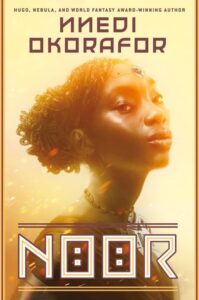
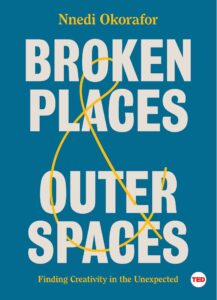
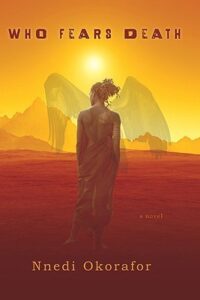
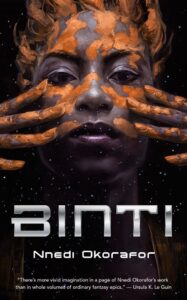
It got me thinking about the book, Noor, by Nnedi Okorafor. Noor is the main character, a young woman born with significant disabilities, further disabled in a car crash as a teen. The story is her journey into cybernetics, rebuilding herself in unique ways, focused on the aim of wanting to move through the world on her own terms. And it’s a wonderful read, as is Broken Places and Outer Places, Nnedi Okorafor’s auto-biographical novella.

Empowered characters pushing back against the ableist view that disability needs to be fixed or cured in order to live a fulfilling life. Professor Xavier didn’t need a cure, and neither did Bran Stark on his journey from childhood underdog to all-powerful three-eyed raven. Just a few more recommendations to add to the conversation:

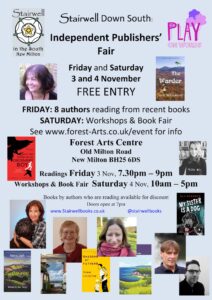
And last weekend, from Kansas to the New Forest here in the UK, where I joined my lovely publishers for the Play on Words Festival at the wonderfully colourful Forest Arts Centre.

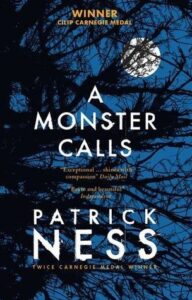
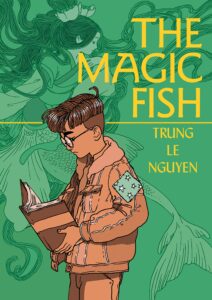
Friday was a gorgeous evening of readings, and among other wonderful authors I was delighted to read from The Warder, a world of gifts and curses, animism and magic, where characters are inextricably bonded, against a backdrop of mysterious dragon mythology. Saturday saw a day of inventive workshops, including one on the subject of young adult fiction, facilitated by myself and Victoria L. Humphreys, author of Not the Work of An Ordinary Boy. What content is too mature for teens? What ways can we approach tough content in books that are inclusive to the younger reader? There’s not much you can’t tackle, it just depends on approach, and, done right, what a wonderful resource books can be, creating space to process difficult stuff, share stories, harbour that all-important sense of belonging. And there’s just so many great YA books out there, too many to name, but here are a few favourites:


In the midst of a storm, I was lucky to catch a blue sky and have a moment to contemplate the power of stories, to reflect, give space, inspire, and offer that sense of belonging.

What are you reading?

A Season of SFF

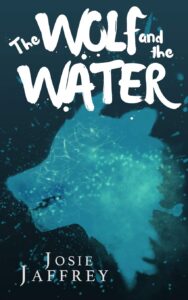
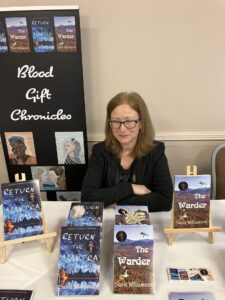
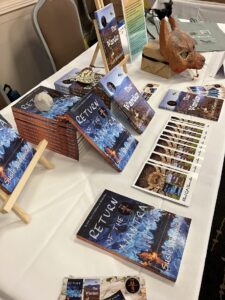
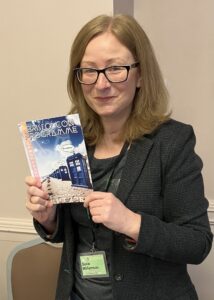
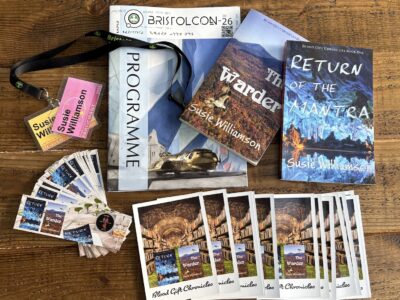
The start of a busy week, following a busy bookish weekend, at a time of year I’ve come to think of as convention season. Saturday saw a day trip to Bristol, for this year’s BristolCon, and what a wonderful day! A great time was had in the dealer’s room, and in particular in our corner of the room alongside inspiring authors and innovative small presses. The lovely Josie Jaffrey, author of The Wolf and the Water, was a pleasure to chat to, as was Max Turner, writer and producer of the diverse press, A Coup of Owls. And of course it was a pleasure to meet and talk with readers at my own book table.

There was chance to give a reading to a roomful of fantasy lovers, swept away with Wanda’s hawk flight over the grasslands of Shendi, from The Warder, Book 2 of Blood Gift Chronicles. And it was great to take part in a panel that kicked off the day, answering that all-important question, how to turn an idea into a novel, or novella, or short story for that matter. It reminded me of my humble beginnings, living in a bedsit that was a beautiful, creative space, with a door that was covered in post-it notes scribbled with characters, settings, scenes, plots… notes that frequently got moved around, repositioned, added to, until a story was slowly taking shape. That story turned into Return of the Mantra, many, many drafts later.

Into this week and I’m looking forward to the coming weekend spent tucked up in my writing room for the four day online convention that is World Fantasy Con, live all the way from Kansas, a place that inspires the word, story. With authors from around the world, I love the international feel, and look forward to taking part in the programme, discussing representation, and in particular, disability.

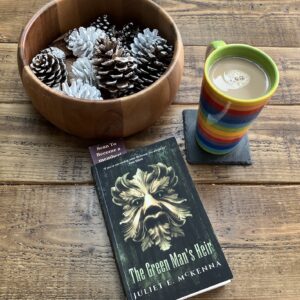
For now, a moment to savour my current read, The Green Man’s Heir by Juliet E. McKenna, a simply magical read with a whole new contemporary feel to the folklore of Dryads.

What are you reading?

Wishing everyone a great week ahead…

FantasyCon 2023

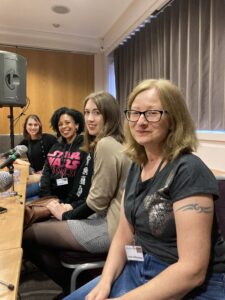
A thoughtful pause following a recent trip to Birmingham for FantasyCon 2023. And another great convention exploring the depth and breadth of this fascinating genre. With such a diverse range of books and authors represented, perspectives gave illuminating insights and reflective interpretations on life and the stories they inspire.

As an author focused on creating colourful worlds filled with flora, fauna and a touch of magic, woven into plots that reflect and inspire, told by characters across a range of complexities, it was great to join in with some panel discussions.

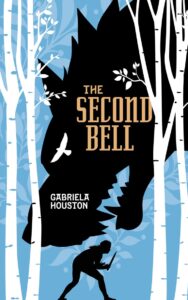
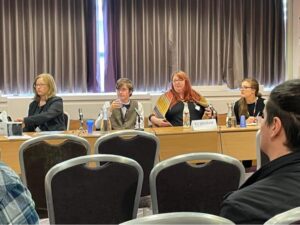
Feminism in fantasy is an ongoing conversation, challenging gender stereotypes and subverting expectation, exploring the intersections, and discussing the range of ways stories can reflect the past and the present, and imagine futures to warn, foretell and/or inspire. It’s a discussion that inevitably leads to differing perspectives and motivations stemming from our own uniqueness, but for me there is one immutable truth: without diverse representation in the authors, we can expect no representation in the characters, and that without widespread cultural representation, the conversation falls flat. Feminism is of course not a monolith. And there’s such a wealth of work out there, spanning the globe. Personal favourite authors include Nnedi Okorafor, Eugen Bacon, Nghi Vo, N.K. Jemison, Gabriela Houston, Rivers Solomon… A couple of personal highlights from the convention: meeting Guest of Honour, Tasha Suri, whose work I love. And having breakfast with the wonderful Juliet McKenna, sharing fascinating conversation on all things representation. Not to mention spying the lovely Joanne Harris, who forever leaves the taste of Chocolat.

Another panel highlight was on the subject of nature and ecology, a conversation that only tipped the surface on all the weird and wonderful wild life. Where do we draw our inspiration from? My work encompasses traditional inspiration in the form of fire-breathing dragons, as well as invention: a magical hybrid that readers of my first book, Return of the Mantra, would recognise; and the hybrids of Book 2, The Warder, trapped in that in-between place. There’s a danger of going with something too familiar, tired tropes can make for dull reading. Which is why my dragons are my own unique take, derived from the storyline, inextricably linked to their human counterpart. Their creation and subsequent properties are fully fitting with the environment, their biology is as clear to me as the long-toed monkey in the sacred forest of my first book. Book 3, my work in progress is the origin story of their creation, and leads us to the water dragons, or at least my own new take. Magic, the world, and all that lives there, has to make sense to its own rules, to the plotlines, and, to a greater or less degree, to science. Magic might give some colourful flexibility, but I look for immutable truths. Writers know way more about their worlds than whatever makes the page, and the same is true for me with my wildlife. The camouflage properties of dragons may not be explained in the story, but biology has explained it to me, and so I know, I know, that my dragons can be as real as a blackbird’s song.

I found a lot of connectivity in the discussions I was involved in: worlds built around nature and magic, overturning patriarchal systems of control and returning to our roots, strands of magic and the individuals they are gifted to… Characterisation is dependent on perspectives, and once we understand how those perspectives can fit together, there is no telling what might be accomplished. My characters save themselves, save each other, and work to unpick damaging systems of control. They have magical gifts which connect them to the land and each other. And in my reading, I shared insight into the three leading characters of Book 2, The Warder, revealing gifts that unchecked, could leave them disconnected, but with knowledge, can lead to magical ends.

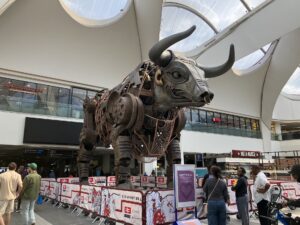
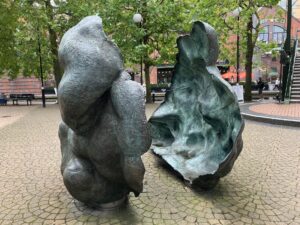
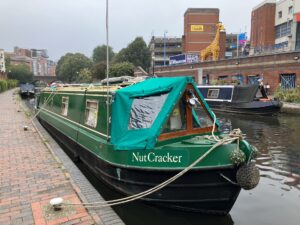
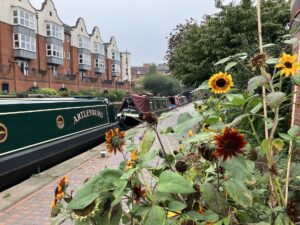
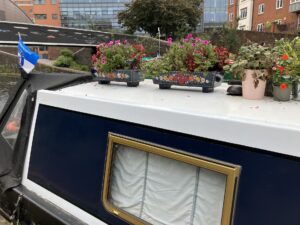
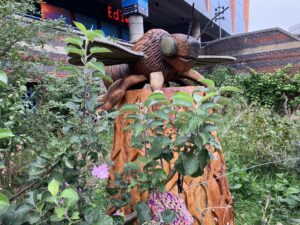
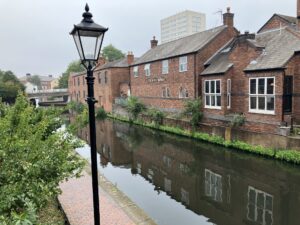
Last but not least, I’ll leave you with a few sights of Birmingham, spots of nature that gave a wonderful breath of fresh air…